

Nursing is one of the consistently most revered and demanded careers, yet the nursing work reality is much more than many individuals would perceive when visiting hospitals. Having worked with nurses in different environments, I have seen drastically different careers based on specialty, setting, and individual preferences. The profession has flexibility, work variety, substantial work,k and real challenges.
Nurses juggle technology, documentation, patient care, and education as they adapt to the evolution of health care. Knowing what nursing is all about enables future practitioners to consider the expected benefits and challenges and make sound career choices.
The Reality of Nursing Jobs in the World.
Hospital bedside nursing is what is mostly seen by the public, but nursing is much more than this. Nurses serve at schools, corporate offices, research labs, insurance companies,anies and at the homes of patients. Others have frequent and little contact with patients; others are at hand every moment. This variety can enable almost every person interested in healthcare to find a nursing career that fits their character and lifestyle.
There is extensive use of technology in modern nursing, especially electronic health records. Though the administrative side of the work might be annoying to a nurse who wants to work directly with patients, the basic work of a patient advocate is always very satisfying and rewarding to the majority of nurses.
Career Profile: es Education to Nursing.
To qualify as a registered nurse, one must pass the NCLEX licensing exam, although the educational paths are different. Nursing Associate Degree programs last approximately two years and can be entered into at a lower cost and faster. ADN graduates are employed in many hospitals, ls particularly in smaller markets or those experiencing a deficit of nurses. BSN programs are four years old and are gaining popularity.
BSN programs come with additional theory, research, and leadership training. Accelerated BSN degree programs fast-track career changers in nursing education to 12-18 months. They are scholarly and permit quicker passage into the profession. Most nurses do succeed in such programs.
Hospital Nursing Jobs and Realities.
Many start in medical-surgical nursing. Med-surg units present nurses with a wide range of patient conditions in a relatively short time, providing general experience. The work is a strenuous, mile-walking, patient-lifting one. ER nursing is the job of those who like working in uncertainty. ER nurses should be able to evaluate and prioritize in the face of a crisis.
The intensity will suit certain personalities and burn out others. ICU nurses deal with the most complicated equipment patients. Small patient-to-nurse ratios and increased acuity, sharp learning curves, and affective burnout are typical. Stressful work, occasional loss, but extremely rewarding ICU work.
Nurse Specialties to consider.
Labor and delivery nursing is a mixture of happiness and seriousness. Nurses observe births and complications, which means that they need to be prepared to face an emergency. To operate in the field of working with children and frightened families, pediatric nurses should have special skills. This requires communication, creativity, and patience.
Psychiatric nurse in the mental health field, based on therapeutic communication and de-escalation methods. These are emotionally demanding roles and may be intellectually stimulating. These specialty nurses juggle their responsibilities in nursing care, emotional needs, and job fulfillment. Majoring in a specialty can be associated with personality, interests, and emotional strength, and it will affect a long-term successful career and fulfillment.
Nursing Opportunities outside of the hospital.
School nursing has regular working hours and summers. Nurses are dealing with usual drugs and crises on their own. Occupational health nursing is used to manage occupational wellness and injury, typically based on business hours and regulatory requirements. The field of case management nursing organizes the care and resources provided to complex patients, focusing on communication and health care navigation, rather than actual care.
Nurses looking to have a work-life balance or reduced physical workload are interested in these roles. Non-hospital nursing permits a wide variety of uses of nursing skills beyond bedside practice and yet provides significant contributions to patient care and outcomes in highly organized and predictable settings.
Practice Nursing Jobs.
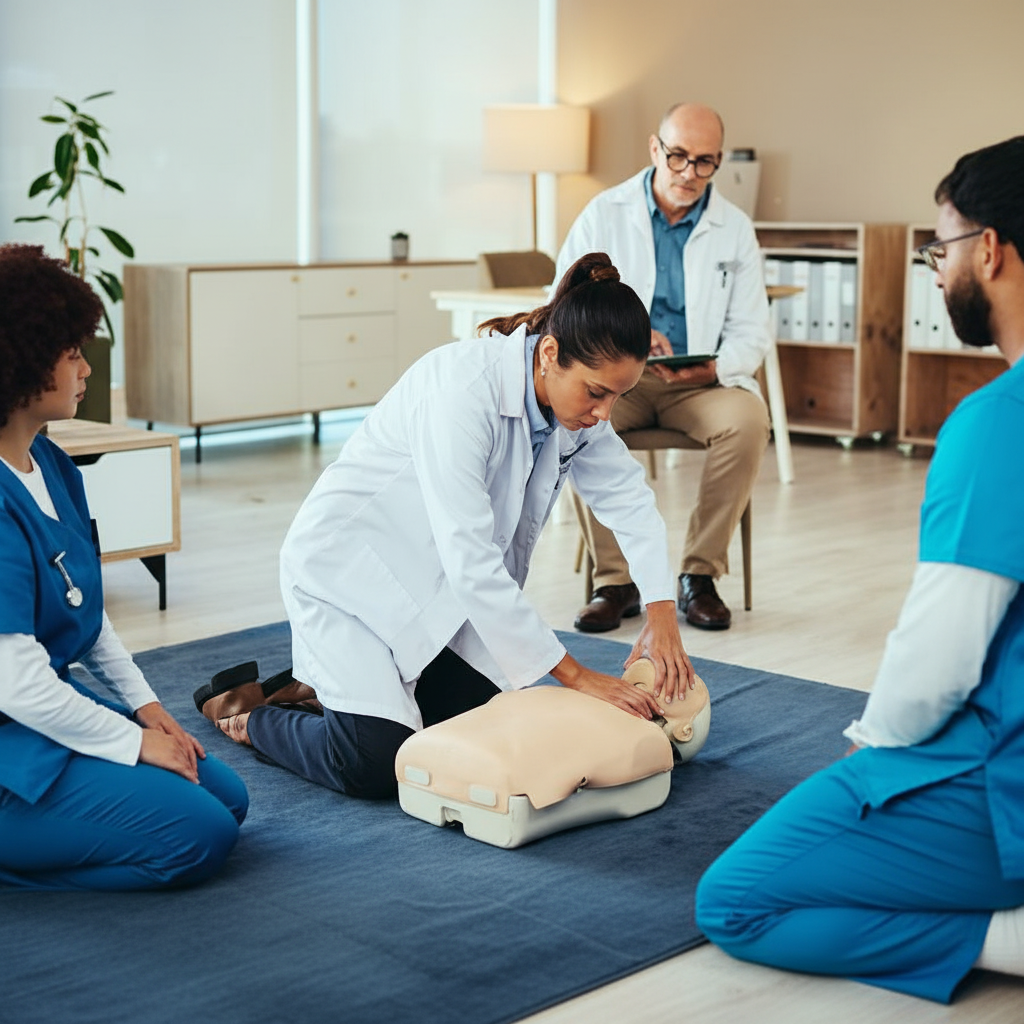
Nurse practitioners prescribe, manage, and diagnose patient care with a lot of autonomy. The degree is a master’s degree and national certification, and many states provide complete practice authority. CRNAs do administer anesthesia, which involves a lot of education, but has good pay and is respected as a profession.
Clinical nurse specialists enhance patient outcomes, and they are concerned with quality improvement, education, and evidence-based practice. These professional positions are more professional and independent, with increased earnings and professional impact. They attract nurses with a focus on specialization, systemic influence, or leadership and provide them with a career development opportunity beyond bedside care.
Nursing Job Compensation Reality.
Pays are dependent on location, expertise, and experience. New graduates are paid $50,000 in the country and above $100,000 in expensive cities. Income is augmented by shift differentials, overtime, specialty certification, and advanced degrees. Intensive care, Emergency room, and advanced practice registered nurses receive significantly higher salaries than general med-surg personnel.
Geographic variations have an impact on remuneration and usually are associated with cost-of-living increases. Numerous nurses make strategic placements to bring together earnings and life and career objectives. Knowledge of compensation arrangements enables potential nurses to make knowledgeable choices regarding where, specialty, occupation, and career path to achieve long-term work and economic security.
The Frank Pains of Nursing Work.
Nursing is a physically demanding job. Long hours and work with patients make back, foot and joint problems the rule. Extra days off are exhausting, even with twelve-hour shifts. Stress in emotions is ever-present, and compassion fatigue is the result of patient pain, challenging families, and eventual loss. Mental health and counseling.
Understaffing is morally distressing because nurses are faced with the challenge of attending to patients using the available few resources. Paperwork and red tape will come in. These issues need to be acknowledged before getting into the field since they determine resilience, job satisfaction, and career sustainability.
Career Advice in Nursing.
There are definite career opportunities in nursing. Charge nurses, nurse managers, agers, and directors consider leadership to be a pay higher than bedside care. Specialty certifications not only increase experience but also increase income, whereas advanced degrees lead to the path of NP, educator, tor or researcher.
Tuition assistance is usually offered at hospitals. Non-conventional professions, such as medical writing, legal consulting, entrepreneurship, health coaching, and technology in healthcare, utilize nursing knowledge to their advantage. Career development is available by way of further learning, specialization, leadership, or other avenues, enabling nurses to fit work to personal objectives, interests, and lifestyles as they climb the career ladder.
Conclusion
The nursing profession offers stability, significant employment, and a variety. The discipline supports various personalities, life statuses, and career aspirations and provides good pay and job security. Such things as physical and emotional difficulties exist and should be recognized. Learning the possible rewards and challenges will enable potential nurses to make wise choices. The career requires earnest, no-nonsense men and women who are able to support themselves by working hard. Nursing presents an unmatched influence on the lives of patients and professional discretion, development, ent and lifelong learning prospects to those able to meet its requirements.
Frequently Asked Questions
How long does it take to become a nurse?
Associate degree nursing programs take about two years, while bachelor’s programs require four years. Accelerated programs for people with existing degrees compress nursing education into 12 to 18 months. All routes require passing the NCLEX licensing exam.
What do nursing jobs actually pay?
Salaries vary significantly by location and experience. New nurses typically earn $50,000 to $100,000, depending on geographic area. Experienced nurses and those in specialized roles earn more, while advanced practice nurses often exceed $100,000 annually.
Can nurses work part-time or flexible schedules?
Yes, many nursing jobs offer part-time, per diem, or flexible scheduling options. Hospital positions often use 12-hour shifts, while clinic and office roles typically follow regular business hours. Flexibility varies by setting and facility.
Is nursing school really that difficult?
Nursing programs are academically challenging and time-intensive, requiring mastery of science, critical thinking, and clinical skills. The difficulty is manageable with dedication, but expect nursing school to dominate your life while you’re enrolled.
What’s the job outlook for nurses?
Extremely strong. Healthcare faces ongoing nursing shortages, particularly with aging populations increasing demand. Nursing consistently ranks among the fastest-growing occupations with excellent job security across specialties and geographic areas.