

The role of healthcare administration has gained prominence and importance as medical centers become more complicated and controlled. These experts make hospitals, clinics, and health systems run under the hood. Administrators are in charge of operations, finances, compliance, and strategic planning that enable quality care, unlike clinical staff who treat patients directly.
The healthcare sector is supposed to be confronted with the challenges of aging populations, technology, and changes in regulations unparalleled. This poses great needs for qualified administrators with knowledge in business and healthcare delivery. The sector has continued to experience a high rate of job growth as compared to most other sectors, and this has provided stability and opportunities for growth.
College Life: core duties.
The jobs in healthcare administration include various tasks that rely on the size of the facility and its specialization. Administrators handle budgets, staffing, regulatory standards, departmental coordination,n and enact policies which enhance patient outcomes. They also process the strategic plan, quality assurance programs, and community relations.
Tasks and their difference by position are vastly different. The work of a department manager in a large hospital is not similar to the work of the administrator in a small outpatient clinic. You could be in the morning reading financial reports, in the afternoon discussing issues with department heads,s and evenings working on urgent problems in the operation.
Entry-Level Positions
Healthcare administration careers can begin as an administrative coordinator, department assistant, or office manager in a medical facility. These jobs offer background information regarding the working of healthcare facilities, the billing system, the flow of patients, and regulatory standards. These supporting positions have produced many successful senior administrators.
Most of the positions offered at the entry level demand a degree in healthcare administration, business, or other related areas. There are employers who can accept applicants with associate degrees and experience. These positions provide great learning experiences as well as professional networking in healthcare organizations.
Mid-Level Management Roles
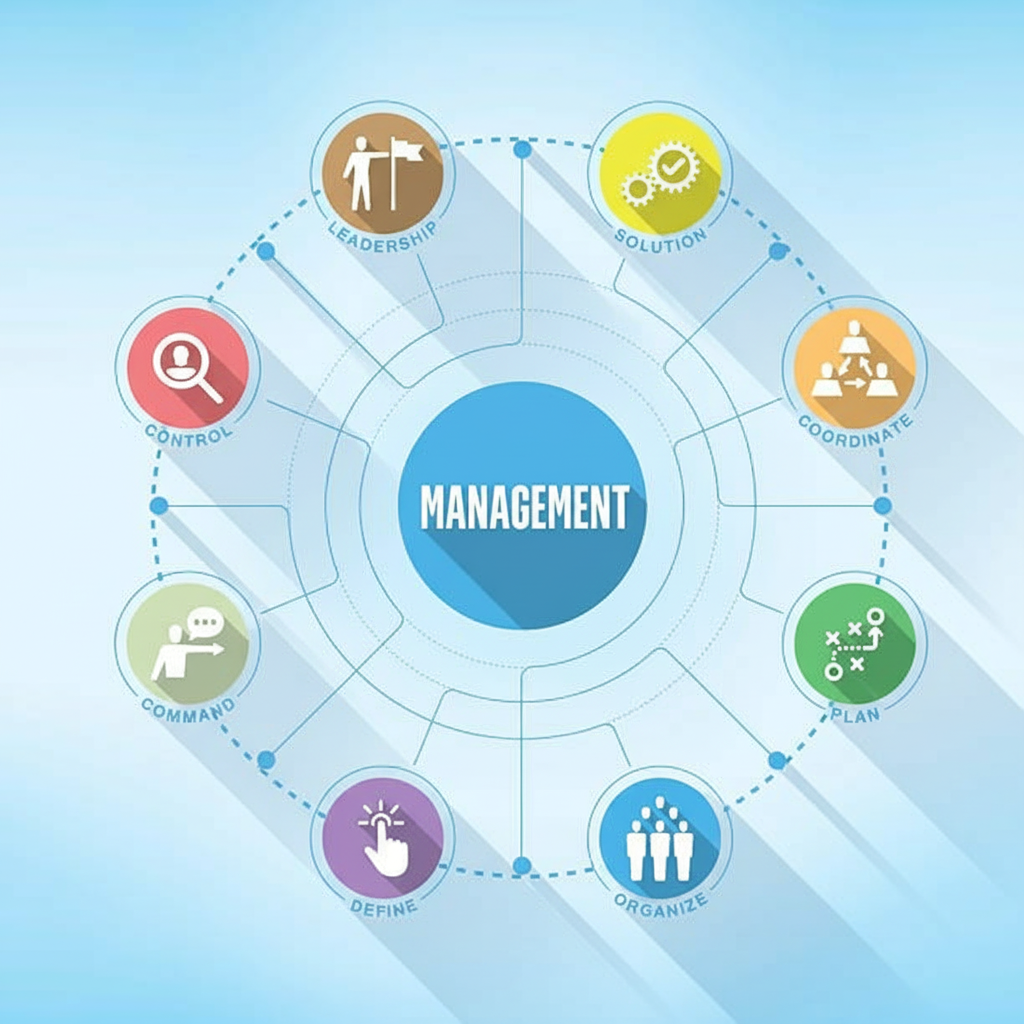
Mid-level health care administration occupations include program coordinators, department managers, and clinic directors. These professionals coordinate particular departments or programmes, teams, and budgetary control and report to senior leadership. This level is characterized by more strategic work, which demands analytical skills and leadership capabilities.
The majority of mid-level jobs demand master’s degrees in healthcare administration or business administration with a healthcare concentration. Experience in healthcare facilities is also a major consideration when it comes to recruitment. Professional organization certification increases the degree of credibility and commitment to the area.
Education and Accreditation.
Advanced education is becoming more and more a requirement for healthcare administration jobs. The most popular graduate degrees are the Master of Healthcare Administration and the Master of Business Administration with a healthcare concentration. These programs include healthcare policy, financial management, organization behavior, quality improvement, and strategic planning.
Accredited programs involve internships or residency in healthcare facilities, where the individual gets practical experience under the tutelage of skilled administrators. These practical elements are invaluable in the job market and in many cases, result in job proposals at the internship location.
Pay and Remuneration Scales.
Healthcare administration employment is competitive and rises with experience, education, and level of responsibility. The first jobs are normally between forty and fifty-five thousand per year. Middle managers have a salary in the range of sixty to ninety thousand, and top positions in big plants require executives with a six-figure paycheck.
Compensation is greatly affected by geographic location. Most cities and regions that have a more expensive cost of living tend to pay more than rural communities. Nevertheless, less competitive markets are sometimes more supportive of rapid development and progress that compensate for lower entry pay.
Aspects that Influence Earning Potential.
The type and size of any facility do play a significant role in determining salary. Big hospitals and academic medical centers tend to be more expensive than a small clinic or nursing home. Special centers specializing in lucrative service units can pay top salaries to attract the best talent.
Advanced degrees and certifications are directly linked to increased income. MHA degree administrators, as well as administrators who have professional certifications, receive significantly higher pay than administrators holding only bachelor’s degrees. This payoff on education investment is often worth the time and the cost.
Locating and recruiting for these jobs.
The process of searching healthcare administration jobs takes tact and patience. Primary search channels are professional association job boards, job boards specific to healthcare, and career pages of facilities. The opportunities are usually discovered through networking via graduate programs, professional conferences, and healthcare alumni groups before the opportunities are posted publicly.
The content of application materials needs to show business skills as well as medical expertise. The employers are interested in hiring individuals who are knowledgeable about financial administration, regulatory standards, and quality enhancement, and are also keen on the human dimension of healthcare provision.
Nurturing Your Network.
Networking is essential in the progress of healthcare administration. Become members of professional bodies such as the American College of Healthcare Executives or the Medical Group Management Association. Visit local chapter meetings, volunteer on committees, and get exposed to other professionals who may mentor and guide in career matters.
Professional social media, such as LinkedIn, is useful in providing networking opportunities. Post pertinent medical articles, post insightful comments on industry forums, and build a network with administrators in organizations you are interested in working for.
Contests and Pains and Itches of the Game.
The jobs in healthcare administration are associated with distinctive stressors that the candidates must be aware of. The work directly impacts the health and well-being of people,e imposing a strain to make good decisions in a short period of time. The legal review, financial limitations,s and employee scarcity make day-to-day activities more complicated.
Nonetheless, in the majority of cases, healthcare administrators take pride in their job. Increased patient experiences come as a result of operational efficiency. Effective cost management enables the facilities to make investments in new services and technology. The development of effective teams provides good working conditions that employees enjoy.
Opportunities in Career Advancement.
A career in healthcare administration has avenues of promotion for ambitious professionals. Beginning with entry-level positions, you are able to work your way to the top in management of the department, then in senior positions such as chief operating officer or chief executive officer. Revenue cycle management or clinical quality are some of the fields in which some administrators are experienced.
Specialization Options
There are many subspecialties under healthcare administration. There are those administrators who specialize in certain areas such as surgery, emergency services, or rehabilitation. They also have others who are specialized to do functions such as information technology, human resources,e or facility management in a healthcare setting.
The field of long-term care administration is an expanding specialty opportunity because the population is aging. All of these nursing homes require qualified administrators: skilled nursing facilities, assisted living communities, and continuing care retirement communities. This niche can be highly particular concerning state licensure in addition to general healthcare administration.
Making Your Decision
Jobs in healthcare administration are the ones that fit individuals who love solving problems, leading, and changing their communities physically. The job will require critical thinking, social abilities, and flexibility. In case you value the mission of healthcare and you dislike a direct contact with patients, but enjoy the business side of healthcare, you may find administration to be your best fit.
Give your long-term objectives a serious thought. Certain roles demand a lot of time and stress especially at executive positions. There are those that have better work-life balance though maybe slower advancement.
Conclusion
Healthcare administration roles are businesses that are both challenging and rewarding. The profession has good labor market opportunities, wages, and a wide range of opportunities in different medical institutions. No matter your career step or a change of pace, healthcare administration offers permanence and meaning to a vital industry that only keeps expanding and developing.
Frequently Asked Question
What is the educational level required in healthcare administration employment?
Majority of the jobs will need completion of bachelor degrees at the least with completion of master degrees becoming a requirement in management jobs and mandatory in top leadership.
Is it possible to work remotely in healthcare administration?
Certain administrative tasks will be eligible to be performed remotely, especially those that involve data analysis, billing, or compliance, but most jobs will have to be performed on-site.
What is the duration to the executive levels?
The duration of the advancement of most healthcare executives in different positions as managers is ten to fifteen years, although there are exceptional performers who may move at a faster pace.
Are healthcare administrators in contact with patients?
Clinical care is normally not offered by the administrators who communicate with the patients on matters about service complaints, experience feedback, and community engagement activities.
Do you feel stressed in healthcare administration?
The work is characterized by a lot of responsibility and pressure, yet the stress degree is depending on the type of position, organizational culture, and personal coping mechanisms.