
There is a good reason why Microsoft jobs are still in the spotlight. The company is in an unusual position that has enterprise software, cloud computing, cybersecurity, business, and gaming, not to mention business networking, all united under the same banner.
That opens a broader career in ways that most of us are surprised. Microsoft isn’t just a big company, but it’s a company that balances big company structure with continuous product development, in my experience, since leaving the ranks of larger tech employers. To job seekers, that translates to opportunity, but it also translates to competition and the necessity of knowing what the company is really about.
The reason Microsoft Jobs remain in Demand.
Microsoft jobs are not necessarily prestigious. The company attracts many applicants due to the following reasons: it provides them with something that is becoming ever more difficult to find in a single location: stability, a global scope, high pay and work that is related to products used by millions of people daily.
Regardless of whether the person is working on Azure, Microsoft 365, LinkedIn, GitHub, Xbox or a security platform, it is often very easy to see the connection between the position and the real-life difference. That matters. They desire work that they can identify, as opposed to work concealed in an internal system and business language.
More Than a Tech employer of the traditional kind.
Many job hunters continue to see Microsoft as primarily a software giant on Windows and Office. That view is outdated. Microsoft’s work currently includes cloud infrastructure, digital security, enterprise consulting, developer platforms, hardware, gaming, research, sales, compliance, accessibility and customer success.
This is important as there could be candidates with vastly different backgrounds. The same company could have a cybersecurity analyst, a data centre technician, a product marketer and a finance manager doing entirely different types of work.
The key Microsoft occupations.
The one most useful concept to be aware of is that Microsoft’s job recruitment is not confined to coders. The business is primarily technical, of course, with particular focus on software engineering, cloud architecture, site reliability, data science and security engineering.
Such work sometimes demands a high level of problem-solving skill, technicality, and articulateness. One thing that Microsoft will value in its candidates is the ability to articulate what he or she created and why it was important to the users, customers or internal groups.
Technical jobs at Microsoft.
Buzzwords are not typically important in technical interviews. A resume full of cool tools does not say much when the candidate has no idea of how to justify tradeoffs in designs, debugging choices, or even issues with performance.
Microsoft engineering jobs tend to reward individuals with a clear mind who can remain grounded in basics and think clearly when pressure makes people lose their temper. Experience is important. A person who accelerated deployment time, dropped down the cost of a cloud service, resolved a service outage, or even created a whiter product feature will tend to impress more than one who simply talks in general and glossy language.
Business, Sales and Operational Positions.
Other Microsoft jobs include business development, enterprise sales, customer success, legal, HR, operations, marketing, and support, in addition to engineering. These positions are equally significant since, fundamentally, Microsoft is a huge business-to-business and consumer-facing company.
An enterprise sales specialist might require knowledge of the industry and business instincts. Patience, relationship skills, and technical credibility may be required of a customer success manager. That is to say that the company does not only hire business influencers, but also business excellencers.
What Microsoft Asks of Applicants.
In all the departments, Microsoft prefers individuals who are a blend of competency and cooperation. It has taken years of preaching a culture of growth, and although all slogans always sound better on paper than in practice, there is indeed truth behind this slogan.
Aspiring employees tend to excel in areas where they are curious, humble, responsible, and team players. Microsoft is too big and intertwined so that being a lone wolf can work only so long. Good performers are generally familiar with how to lead without causing friction.
Matter of Skills and Signals.
The best applications are specific. When you apply to work at Microsoft, you surely want to demonstrate the achievable results instead of abstract responsibilities. Rather than stating that you assisted product delivery, it is more appropriate to state that you assisted the delivery of a feature sooner than planned, or helped increase customer retention, or minimised downtime during a vital move.
In non-technical jobs, communication is very important. In technical positions, logical thinking is equally crucial to being a good coder. People who can be able to take the complex and make it workable are often sought by Microsoft.
How to be hired at Microsoft.
Hiring for Microsoft jobs is dependent on the specific position, but it tends to be a fairly systematic process. The first recruiter interview, then role-specific interviews, technical or case interviews and possibly a last interview with hiring managers or team heads often follow
This exact format depends on whether the job is an engineering, product, consulting, support, or sales job. The only thing that remains is the necessity of preparation. Those who suppose that the brand will carry them are generally not able to cope. Microsoft does not want candidates to know the name of the company, but the reasons why they want that team.
Style of Interview and Preparation.
In engineering positions, candidates can be asked to solve coding problems, discuss system design, ask architecture questions, and problem-solve based on scenarios. In the case of business positions, the interview can be the assessment of judgment, managing stakeholders, thinking about the customer and pressured communication.
Among other things, I have observed on numerous occasions that Microsoft interviewers normally react well to candidates who remain composed and think out loud. They are not necessarily all perfectionists. They do want to watch you deal with ambiguity, recover and transform abstract issues into concrete actions, though.
Cultural Work Environment and Everyday Life.
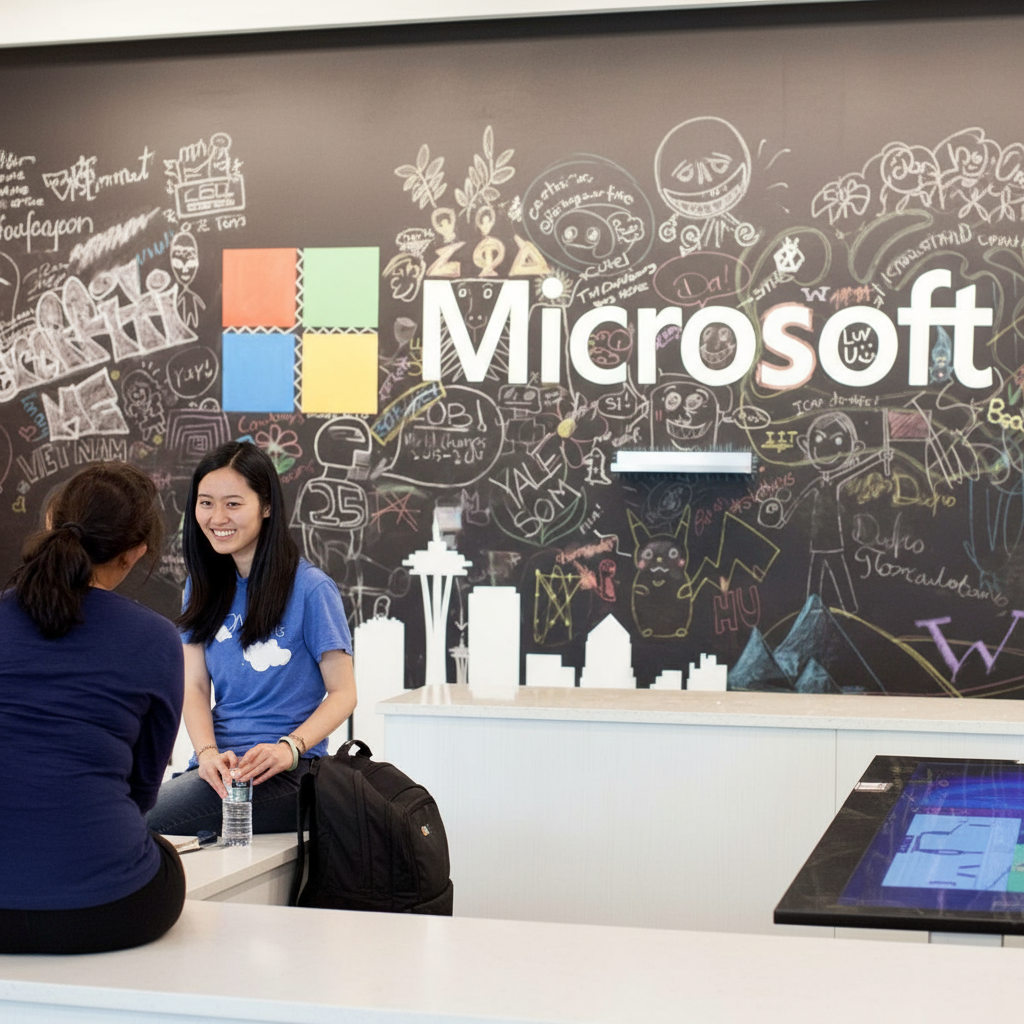
Microsoft’s job reality is a team player. That is worth saying clearly, as big enterprises can generate highly different experiences with the same logo. Other teams are speedy and nearly start-up-like. Others are more organised, stratified and procedural.
Overall, Microsoft is more stable than a lot of younger technological companies, which again may also be associated with increased organisation, more meetings, and slower decision-making within specific teams. That predictability is loved by some people. After some time, it frustrates others.
Hybrid Work, Growth, and Expectations
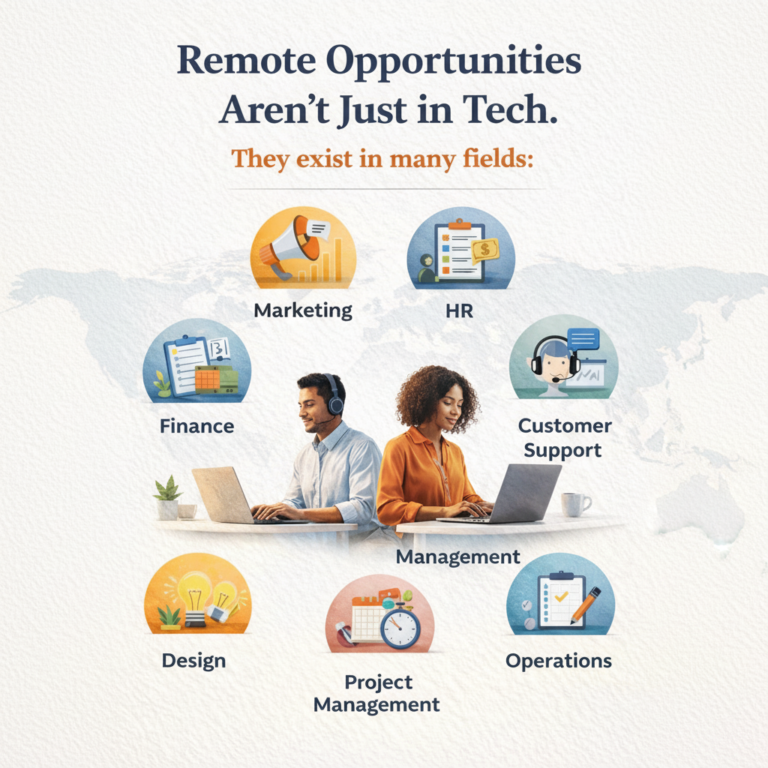
In the current work environment, many Microsoft jobs offer some degree of flexibility, though not every role is equally remote-friendly. Customer-facing, lab-based, and infrastructure roles often require more on-site presence.
Office-based functions may allow hybrid schedules depending on the team and location. Career growth can be strong, especially for employees who are proactive about internal mobility. Microsoft is large enough that one role does not have to define your entire future. That said, advancement still depends on performance, visibility, and a manager who supports development.
Is Microsoft the Right Fit for You?
Microsoft jobs are a strong fit for people who want meaningful scale, long-term career options, and the chance to work on products with broad reach. They may be less appealing to someone who prefers a smaller company, looser structure, or constant startup-style speed.
The smartest way to evaluate Microsoft is to look beyond the name. Study the team, the manager, the function, and the day-to-day expectations. A great company can still be the wrong fit if the role does not match your pace, values, or strengths.
Conclusion
Microsoft jobs remain attractive because they offer a rare combination of reputation, variety, and real career depth. But getting hired requires more than admiration for the brand. It takes a focused application, evidence of results, and a clear understanding of how Microsoft actually works.
For the right candidate, the company can offer strong learning, global exposure, and lasting career value. The key is to approach the opportunity with realism. A famous employer opens doors, but fit, preparation, and performance are what help someone stay and grow.
FAQs
Are Microsoft jobs hard to get?
Yes, Microsoft jobs are competitive, especially in engineering, product, and cloud-related roles.
Does Microsoft hire fresh graduates?
Yes, Microsoft regularly hires graduates through entry-level and university recruiting programs.
Are Microsoft jobs remote?
Some Microsoft jobs are hybrid or remote, but many depend on team needs and location.
What degree is needed for Microsoft jobs?
It depends on the role. Many jobs prefer relevant degrees, but strong experience can also matter.
How long does Microsoft hiring take?
The process can take a few weeks to over a month, depending on the role and interview stages.
How long does Microsoft hiring take from application to offer?
Timelines range from three weeks to several months,s depending on role complexity, interview scheduling, and organisational needs. Following up appropriately can help maintain momentum.